These Shops Dominate Custom Gas Tanks-find Your Perfect Fit

Who makes custom gas tanks?
Custom gas tanks are made by specialty fabricators, fuel-system manufacturers, motorcycle and hot-rod shops, marine tank builders, and industrial tank companies that design tanks to fit a specific vehicle, machine, or storage need. In practice, that means a custom gas tank can come from a one-off welding shop, an OEM supplier with low-volume production capability, or a niche builder that works in aluminum, steel, stainless steel, or molded plastic for exact-fit applications.
What these makers do
Fuel tank builders typically start with a sketch, dimensions, or a CAD file and then fabricate a tank around packaging constraints, fuel capacity targets, mounting points, venting, and safety requirements. Some companies focus on handmade aluminum tanks for motorcycles and customs, while others manufacture marine or automotive tanks in both metal and plastic for small-batch and commercial use.
- Custom metal fabricators, especially for motorcycles, hot rods, and off-road vehicles.
- Fuel-system manufacturers offering made-to-order aluminum, steel, or plastic tanks.
- Marine tank specialists building tanks to meet ABYC, NMMA, EPA, USCG, CARB, CE, and similar standards.
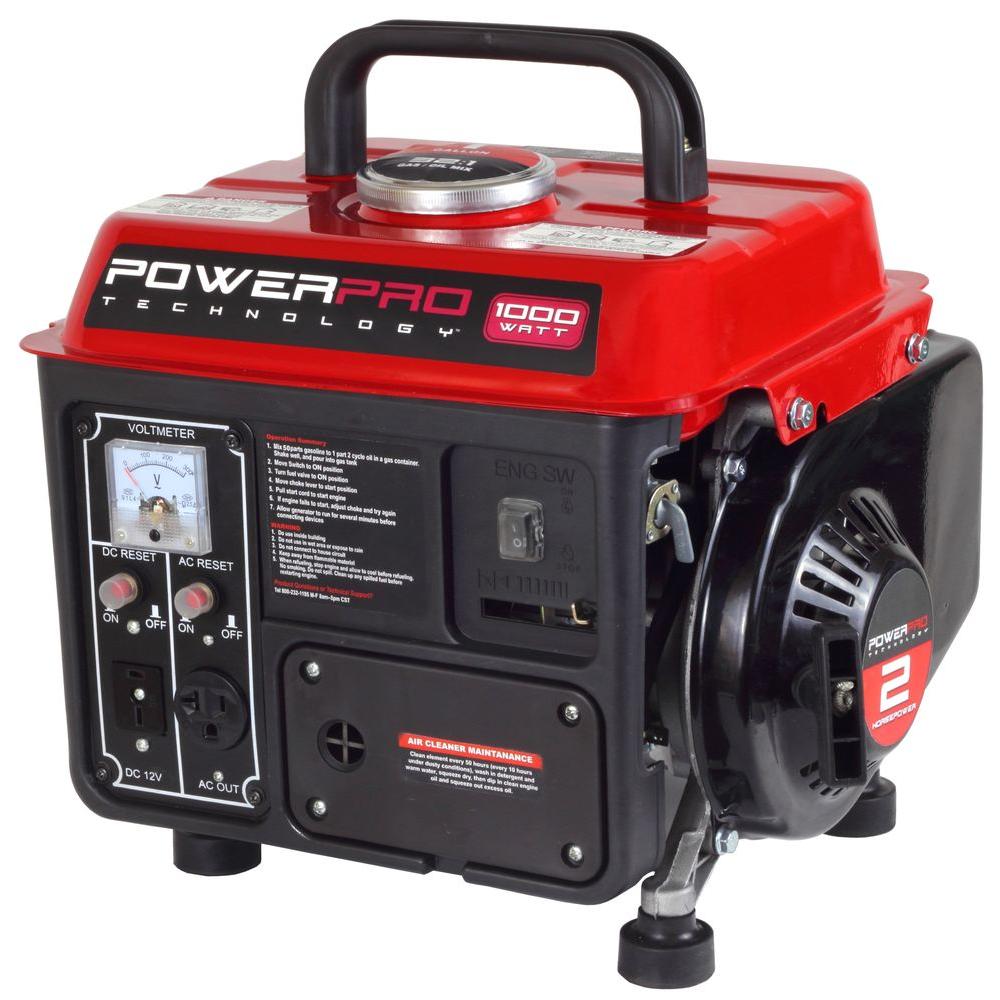
- Industrial tank shops serving generators, fleet equipment, auxiliary fuel systems, and specialty machinery.
Who the main makers are
Specialty workshops are often the go-to choice for unique shapes or vintage restorations because they can build a tank from scratch rather than modify an existing part. Examples include boutique motorcycle tank builders like TAB II Classics, in-house fabrication shops such as JSH Custom Fabrications, and custom aluminum fuel tank makers such as Boyd Welding, which describes itself as a custom fuel tank manufacturer for diesel and gasoline applications.
On the production side, companies like IFH Group and Moeller Marine make custom tanks for broader commercial and marine use, with capacities ranging from small auxiliary tanks to much larger systems. Moeller says custom fuel tank design and production has been core to its business for more than 30 years, and IFH notes it can build tanks from 1 gallon to 300+ gallons depending on the application.
How custom tanks are built
Fabrication process matters because a custom gas tank has to do more than hold fuel; it must fit the available space, manage slosh, allow for safe venting, and support the fuel delivery system. Builders commonly add baffles, partitions, sight tubes, fuel senders, return ports, breathers, straps, and internal reinforcement depending on whether the tank is for street use, racing, marine use, or stationary equipment.
- Measure the vehicle or equipment space carefully and define usable volume.
- Select material, usually aluminum, steel, stainless steel, or molded plastic.
- Design mounting points, filler neck placement, venting, and outlet routing.
- Add baffles or internal structures to reduce fuel movement and improve stability.
- Pressure-test, leak-test, and finish the tank for installation and compliance.
Why people order them
Custom gas tanks matter when a stock tank will not fit, will not hold enough fuel, or cannot support the intended engine, chassis, or operating environment. Builders and buyers often need a tank for a chopped frame, a classic car restoration, a motorcycle with a modified backbone, a marine layout with limited space, or an industrial machine that needs a specific range and pick-up location.
For example, a motorcycle builder might need a narrow tunnel and a tapered profile, while a marine customer may need a corrosion-resistant tank with certified fittings and a specific vent arrangement. In low-volume manufacturing, custom tanks can also help companies avoid tooling costs associated with mass-produced parts, especially when the design changes from one project to the next.
Common materials
Material choice depends on fuel type, environment, weight target, corrosion concerns, and production method. Aluminum is popular for lightweight custom work, steel is common in automotive applications, stainless steel is valued for corrosion resistance, and molded plastic is widely used for larger-volume or more complex production runs.
| Maker type | Typical material | Best for | Typical notes |
|---|---|---|---|
| Motorcycle fabricator | Aluminum or steel | Custom shapes, vintage bikes, chopped frames | Often handmade, one-off or low-volume |
| Automotive specialist | Steel, stainless steel, coated steel | Street rods, muscle cars, classic trucks | May offer fuel-injection conversions |
| Marine tank builder | Aluminum or molded plastic | Boats, compliance-driven installations | Usually designed for certification standards |
| Industrial supplier | Aluminum or plastic | Generators, fleets, specialty equipment | Focus on capacity, packaging, and serviceability |
What to ask a maker
Specifying the tank correctly can prevent expensive rework, so buyers should ask about fit, capacity, mounting, fuel type, venting, sender compatibility, and pressure testing before ordering. A reputable shop will also explain whether the tank is intended for gasoline, diesel, ethanol blends, or marine use, because material and seal compatibility can change with the fuel.
- What material do you recommend for my application?
- Can you build to my exact dimensions or CAD drawing?
- Do you include baffles, fittings, and sender provisions?
- How do you test for leaks and verify weld quality?
- Can you make the tank compliant with relevant marine, automotive, or industrial standards?
Industry context
Custom tank demand has grown alongside restomod culture, small-batch vehicle building, and specialized equipment manufacturing, where off-the-shelf parts often miss the mark. Niche suppliers now serve everything from classic-car restorers to boat builders and fleet operators, and many of them advertise capacities from a few gallons to hundreds of gallons to cover the full range of use cases.
"No two applications are exactly the same," one custom tank supplier explains, and that idea captures why the market exists at all: packaging, performance, and compliance are rarely identical from one project to the next.
That is especially true in the motorcycle and hot-rod world, where builders often need a tank that looks period-correct while still clearing frame tubes, electronics, and fuel-system hardware. It is also true in marine and commercial settings, where builders may prioritize regulatory compliance, corrosion resistance, and service access over appearance alone.
How to choose a maker
Choosing the right builder usually comes down to matching the shop's specialty to the project. A boutique metal shop is ideal for a one-off visual build, while a marine or industrial manufacturer is better for certified or higher-volume work that needs repeatability and documentation.
- Match the maker's specialty to your vehicle or equipment type.
- Confirm material compatibility with the fuel you plan to use.
- Ask for examples of previous work with similar dimensions or requirements.
- Verify testing methods, warranties, and delivery timing.
- Check whether the shop can supply accessories like straps, senders, filters, and filler hardware.
Frequently asked questions
What buyers should remember
Custom gas tanks are made by a mix of artisan fabricators and engineering-focused manufacturers, and the right choice depends on whether the job is cosmetic, performance-driven, marine-certified, or industrial. The best maker is the one whose materials, testing, and build process match the exact fuel, fitment, and safety requirements of the project.
Everything you need to know about These Shops Dominate Custom Gas Tanks Find Your Perfect Fit
Who makes custom gas tanks?
Specialty fabricators, fuel-system manufacturers, motorcycle and hot-rod shops, marine tank builders, and industrial tank companies make custom gas tanks for specific fit, capacity, and compliance needs.
What materials are used for custom gas tanks?
Common materials include aluminum, steel, stainless steel, and molded plastic, with the best choice depending on weight, corrosion resistance, fuel type, and production volume.
Are custom gas tanks safe?
They can be safe when they are properly designed, pressure-tested, vented, and built by an experienced maker that understands the application and relevant standards.
Why not just use a standard tank?
Standard tanks often fail to fit modified chassis, unusual equipment, or specialized layouts, while custom tanks solve packaging, capacity, and fuel-system routing problems.
How long does a custom gas tank take to build?
Lead times vary by shop and complexity, but one-off fabricated tanks can take days to weeks, while more engineered or certified systems may take longer.